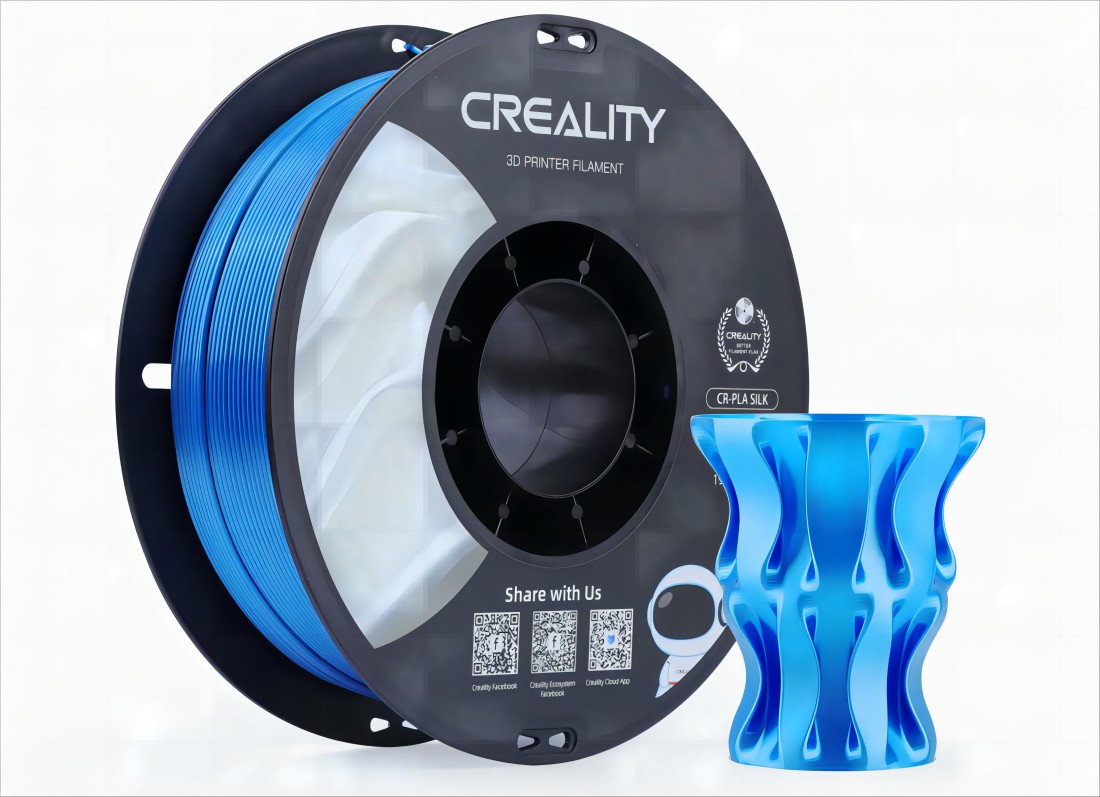
PLA vs PETG: Which Filament Should You Use?
PLA vs PETG: Which Filament Should You Use?
If you've done any research into 3D printing filaments, you've run into this question. PLA and PETG are the two most popular filament types, and choosing between them confuses almost every beginner. Here's the honest answer.
The Short Answer
Use PLA if you're just starting out, printing decorative objects, or printing indoors where heat isn't a concern.
Use PETG if you need more strength, slight flexibility, or the part might get warm (car interior, outdoor use, mechanical parts).
PLA — The Beginner's Best Friend
PLA (Polylactic Acid) is made from plant starch, which makes it biodegradable and easy to print. It's the most forgiving filament available:
- Prints at lower temperatures (180–220°C nozzle, no heated bed required)
- Minimal warping
- Available in hundreds of colors
- Looks great for display models, figurines, and prototypes
The downside: PLA softens at around 60°C. Leave a PLA print in a hot car in summer and it might deform. It's also more brittle than PETG under impact.
PETG — The Practical Upgrade
PETG (Polyethylene Terephthalate Glycol) is essentially the same plastic used in water bottles, with some modifications that make it easier to print.
- Higher temperature resistance (up to ~80°C)
- Tougher and more flexible than PLA — better for functional parts
- Good layer adhesion — strong across all axes
- Slightly more transparent, which looks great for certain applications
The tradeoff: PETG strings (thin hair-like strands between parts) more than PLA, and it absorbs moisture from the air, which can affect print quality if the spool isn't stored properly.
When It Doesn't Matter
For most prints — phone stands, desk organizers, cosplay props, decorative objects — PLA and PETG will both work fine. In those cases, just use whatever you have.
Print Settings Comparison
| Setting | PLA | PETG |
|---|---|---|
| Nozzle temp | 180–220°C | 230–250°C |
| Bed temp | 0–60°C | 70–85°C |
| Print speed | Fast (up to 300mm/s+) | Moderate (60–150mm/s) |
| Cooling | High fan speed | Lower fan speed |
| Enclosure needed | No | No (but helps) |
Storage
Both filaments absorb moisture from the air, which causes bubbling and poor surface quality. Store your spools in airtight containers with desiccant when not in use. PETG is more hygroscopic (moisture-sensitive) than PLA, so it matters more for PETG.
If you notice popping sounds during printing or rough surface texture, your filament is wet. Dry it at 65°C in a food dehydrator or filament dryer for 4–6 hours.
FAQ
Can I mix brands of PLA? Yes. PLA from different brands prints at similar temperatures and is generally interchangeable.
Do I need a different nozzle for PETG? No — a standard brass nozzle handles both PLA and PETG fine.
Is PETG food safe? The raw filament may be, but the printing process introduces bacteria-trapping layer lines. Don't use 3D printed containers for food without proper sealing.
Which is cheaper? They're similar in price — typically $15–25 per 1kg spool for quality filament from brands like Bambu, Prusament, or eSUN.
Not sure which printer to buy?
Take our 2-minute quiz and get a personalised recommendation.
Find my printer →